Steady Energy Guide for Busy Days
Learn how food pace and plate balance may support a more even afternoon — general education only.
View Meal TemplatesWhat the Glycemic Index Actually Measures
This page explains food-science concepts for general interest. It does not replace advice from an accredited practising dietitian (APD), GP, or other qualified professional.
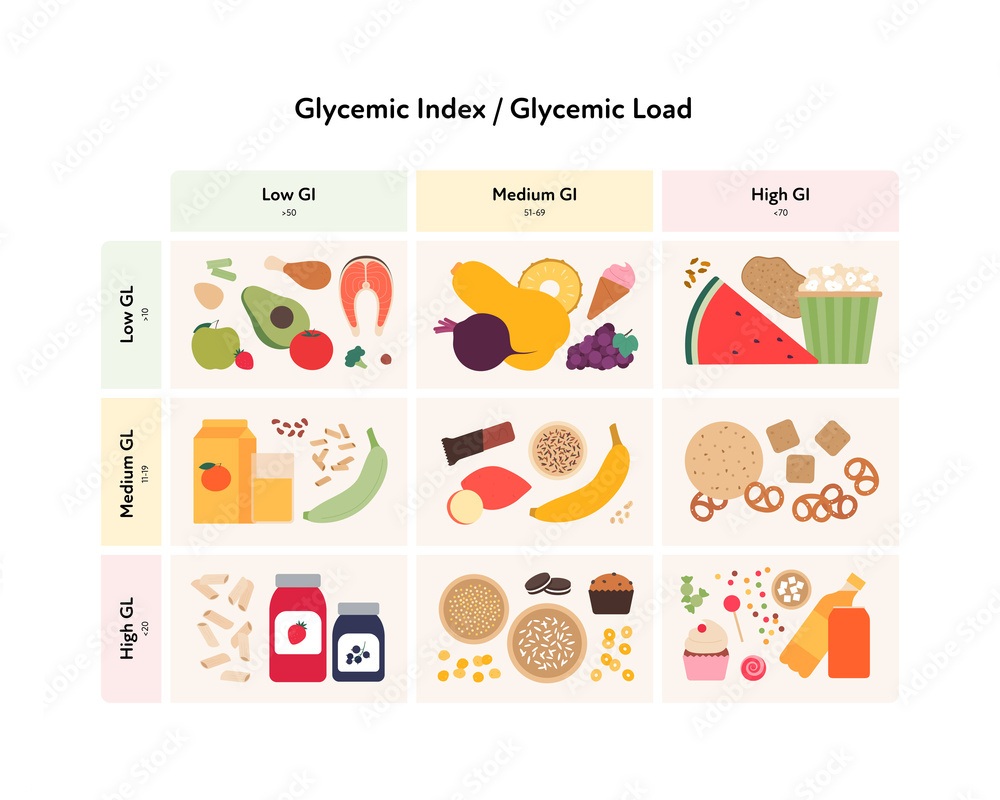
The glycemic index compares how quickly digestible carbohydrates in a food are absorbed in research settings, relative to a reference value, scored from 0 to 100. Foods under 55 are generally classified as low GI, 56–69 moderate, and 70 or above high. Lab tests use standard portions — real meals with protein, fat, and fibre often behave differently.
Important nuance: GI measures a single food in isolation. Real meals combine ingredients, which changes the overall effect. Adding vinegar, fat, or protein to a moderate-GI food often lowers the combined impact. That is why a potato salad with olive oil and egg behaves differently from a plain baked potato eaten alone. For busy eaters, the practical takeaway is to think in terms of glycemic load across the whole plate rather than obsessing over one ingredient label.
Low, Moderate, and High — Australian Pantry Examples
Common supermarket items grouped by typical glycemic response.
Lower GI Staples
- Steel-cut or rolled oats
- Legumes: lentils, chickpeas, black beans
- Sourdough with visible seeds
- Most apples, pears, and berries
- Barley and bulgur
- Greek yoghurt without added sugar
Moderate GI Options
- Basmati or long-grain rice
- Wholemeal pasta, al dente
- Sweet potato
- Ripe banana (pair with nut butter)
- Quick oats (not instant with sugar)
- Wholegrain wraps
Higher GI — Use With Care
- White bread and most white rice
- Processed breakfast cereals with sugar
- Rice cakes alone
- Soft drinks and fruit juice
- Hot chips and most pastries
- Jelly lollies and honey on toast solo
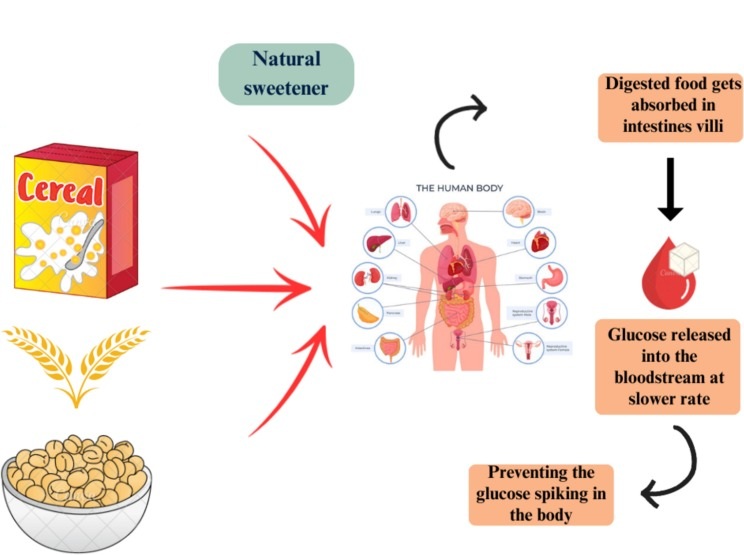
Higher-GI foods are not banned — context matters. A slice of white toast before a morning run serves a different purpose than the same toast at a sedentary desk job. Match carb speed to your activity level and what you need from the next two hours of your day.
How Meal Pace May Affect Focus
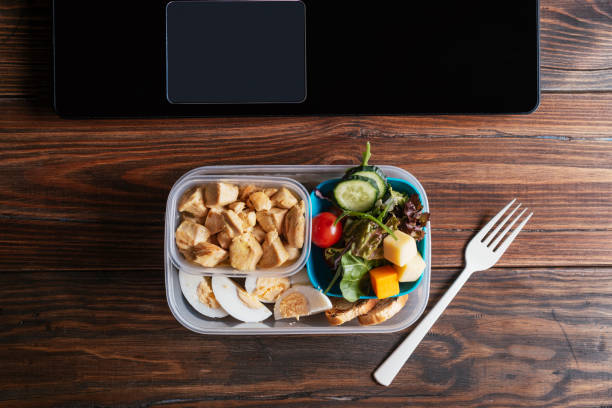
A large serve of refined carbohydrates alone can leave some people feeling sluggish afterward, while a balanced plate with protein and vegetables may feel more sustaining. Many office workers notice lower alertness between 2 and 4 pm — meal timing, portion size, sleep, and stress all play a role.
Some occupational wellbeing research links post-meal energy changes with self-reported concentration, though findings vary. A simple personal test: eat a balanced lunch for five workdays and note how you feel mid-afternoon compared with your usual routine. Adjust based on your own experience, not a one-size-fits-all rule.
Learn Smart PairingsBuilding a Low-GI Workday Plate
A repeatable formula you can apply to home prep, cafés, and takeaway.
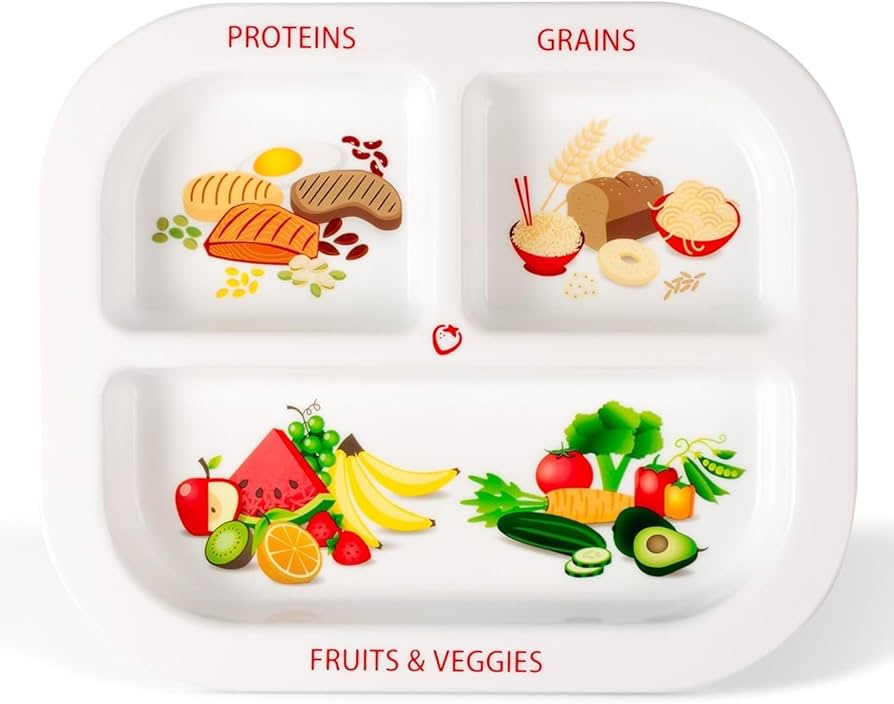
- Half the plate: non-starchy vegetables — salad, roasted broccoli, stir-fried greens. Volume and fibre without relying on a single carb source.
- Quarter plate: moderate-GI carbohydrate — brown rice, quinoa, wholegrain pasta, or starchy veg with skin on.
- Quarter plate: protein — tinned salmon, chicken thigh, firm tofu, or a cup of mixed beans.
- Finish with fat: a tablespoon of olive oil, a quarter avocado, or a small sprinkle of seeds for satiety.
- Drink water first: thirst and mild dehydration amplify fatigue signals that feel like a sugar crash.
FAQs on Glycemic Eating
No. Some foods with natural sugars, like fruit, have moderate GI because fibre slows absorption. Some savoury refined foods with little sugar, like white bread, score high. Always look at the whole nutritional picture.
Not necessarily. Pair higher-GI items with protein and fibre, eat them around activity, and notice how you feel. Restriction without strategy often leads to reactive snacking later.
Yes. Overcooking pasta or rice can raise GI compared to al dente versions. Cooling and reheating starchy foods may increase resistant starch, which slows digestion — a useful batch-cook trick.
The University of Sydney maintains a searchable GI database. Many Australian products also display GI ratings on packaging when certified. Use these as guides alongside your personal energy observations.