Simple Meal Systems for Busy People
Fewer decisions. Steadier energy. Free educational guides for busy Australians — not medical advice.
Explore Meal Templates
Food Minimalism: Cutting Down on Choice
When every meal becomes a fresh decision, mental fatigue shows up before hunger does.
Food minimalism is not about eating less — it is about eating with less friction. For a busy person juggling meetings, commute time, and family obligations, the real cost of food is not just dollars but cognitive load. Research on decision fatigue suggests that adults make dozens of food-related choices each day, from breakfast timing to snack selection. Each micro-decision draws from the same pool of attention you need for problem-solving at work.
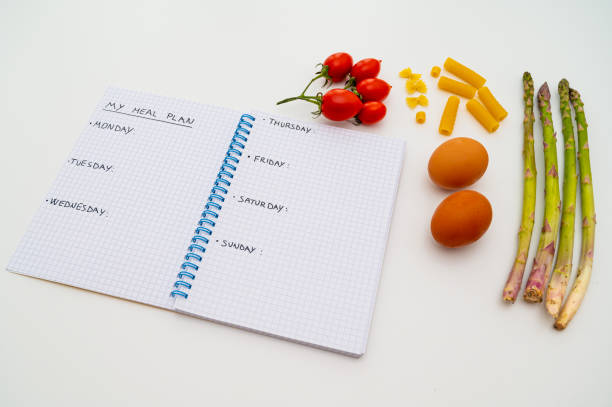
A practical minimalism approach limits your weekly menu to a rotating set of five to seven base meals. You still get variety through seasoning and side swaps, but the core structure stays familiar. Think of it like a personal uniform for your plate: predictable enough to shop and prep quickly, flexible enough that you do not dread Wednesday lunch. Start by listing what you already eat on repeat — those meals are your foundation, not a failure of creativity.
- Rotate three to five core lunches instead of inventing new ones daily.
- Keep pantry staples visible so shopping lists write themselves.
- Batch-cook proteins on Sunday to remove weekday guesswork.
Glycemic Index and Steady Daytime Energy
Food science basics that may help you plan lunches that feel more even through the afternoon.
The glycemic index (GI) is a food-science labelling tool, not a medical treatment. How you feel after a meal depends on many factors. For personalised nutrition advice, consult an accredited practising dietitian (APD) or your GP.
The glycemic index ranks carbohydrate-containing foods by how quickly they are digested and absorbed in research settings, scored from 0 to 100. Foods under 55 are generally classified as low GI, 56–69 moderate, and 70 or above high. In everyday life, what you eat with those carbs — protein, fibre, and fat — often matters as much as the single food score.
Many people find that meals built from slower-digesting carbs plus protein and vegetables feel less heavy than a large serve of refined carbs alone. Some research suggests lower-GI eating patterns are associated with more stable self-reported energy across the workday, though responses differ from person to person. Use GI as one planning tool among many, not a strict rule.
Smart Pairing for Lasting Concentration
How you combine foods matters as much as what you pick from the shelf.
Protein Anchor
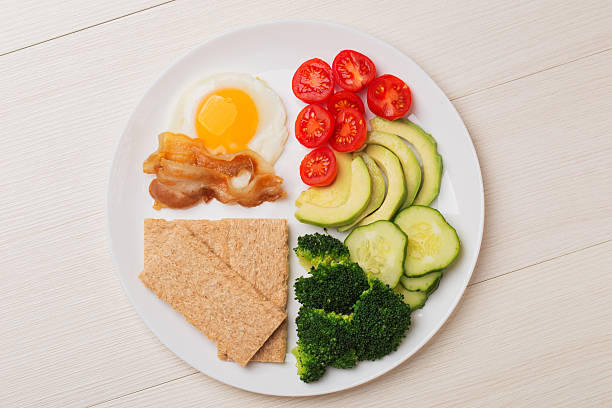
Include a palm-sized portion of eggs, tinned fish, tofu, chicken, or legumes at every main meal. Protein and fibre slow digestion, which can make a meal feel more satisfying through the afternoon. A chicken and quinoa bowl with roasted vegetables is often more filling than a plain bread roll alone, even when the portions look similar.
Fibre Buffer
Leafy greens, broccoli, beans, and berries add volume and fibre. Australia's dietary guidelines encourage plenty of vegetables daily. Adding a cup of salad to a pasta lunch can change how full you feel by mid-afternoon without requiring a new recipe.
Healthy Fat Finish
Avocado, olive oil, nuts, and seeds extend satiety and smooth out energy release. A drizzle of extra virgin olive oil on vegetables or a small handful of almonds with fruit turns a quick snack into something that actually carries you to dinner without a vending-machine detour.
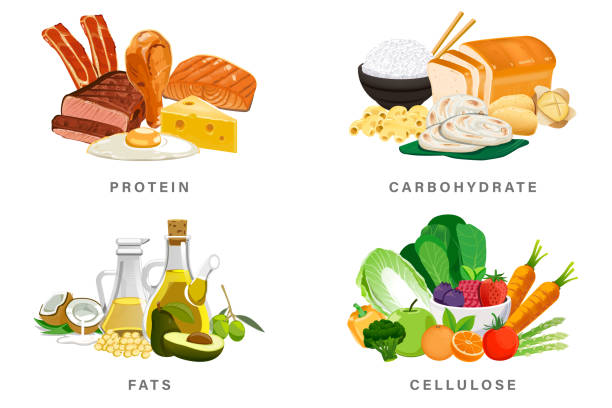
The combination rule is simple: never eat naked carbs alone when you need to stay sharp. A banana with peanut butter, rice with edamame, or toast with cottage cheese all follow the same logic. Over time these pairings become automatic — which is exactly what a busy schedule needs.
See Combination Guides
Managing the Post-Lunch Energy Slump
Afternoon tiredness is often linked to meal size, timing, and sleep — not personal failure.
A large, refined-carb lunch can leave you feeling sluggish while your body digests the meal. Many office workers in Australia feel less alert between 2 and 4 pm. Eating lunch a little earlier, choosing a smaller portion, and taking a ten-minute walk afterward are practical habits some people find helpful — without changing everything at once.
Keep a desk stash of simple backups: unsalted nuts, wholegrain crackers, or single-serve Greek yoghurt. When meetings run long, planned snacks can reduce unplanned vending-machine trips. Staying hydrated also supports general wellbeing — keep a reusable bottle at your desk.
- Eat lunch before 12:30 pm when possible to spread energy across the afternoon.
- Halve the carb portion and double the vegetables on your plate.
- Take a brief walk after eating when you can.
- Plan a protein-rich snack around 3 pm if your morning started early.
Food Safety Guidelines
Practical reminders for storing, preparing, and enjoying food safely at home and work.
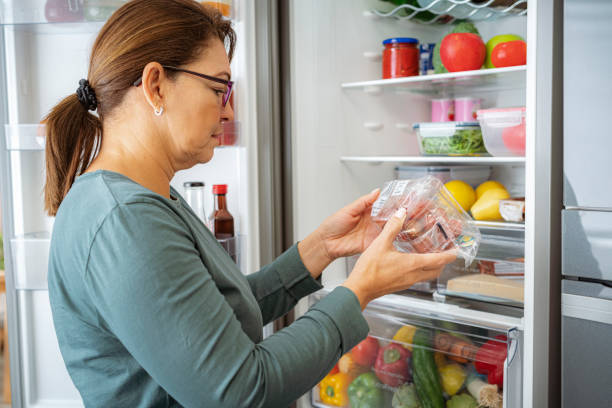
Meal systems only work when the food you prep stays safe to eat. In Queensland and across Australia, food safety basics apply whether you cook once a week or nightly. Keep cold food below 5°C and hot food above 60°C. Use insulated lunch bags with ice bricks for commutes longer than thirty minutes, especially in warm months when car interiors heat quickly.
When batch cooking, cool portions in shallow containers before refrigerating — deep pots hold heat and extend the danger zone. Label containers with dates and use refrigerated meals within three to four days, or freeze for up to three months. Reheat until steaming hot throughout. If you work with allergies in your household, dedicate separate boards and utensils to avoid cross-contact.
- Invest in a fridge thermometer; many domestic fridges run warmer than expected.
- Do not leave packed lunches on desks for more than two hours unrefrigerated.
- Wash hands before prep and after handling raw proteins.
Events Calendar
Workshops and community sessions on practical meal planning for busy schedules.
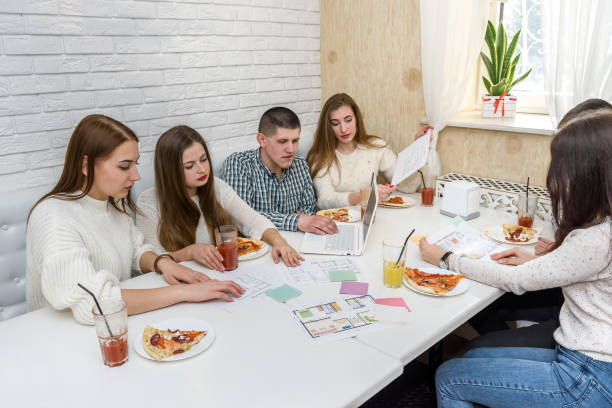
We host free information sessions across the Sunshine Coast for professionals who want structured approaches to weekday eating. Sessions cover batch cooking, balanced lunch ideas, and building a two-week rotation menu. No products are sold on site — just notebooks, sample plans, and time for questions. Registration opens six weeks before each date; spaces are limited to keep groups interactive.
| Date | Event | Location |
|---|---|---|
| 12 Jul 2026 | Intro to Food Minimalism | Buderim Community Hall |
| 26 Jul 2026 | Steady-Energy Lunch Lab | Maroochydore Library |
| 9 Aug 2026 | Weekly Prep Workshop | Caloundra Hub |
| 23 Aug 2026 | Smart Pairing Masterclass | Buderim Community Hall |
FAQs
Common questions about building a simple meal system around a full work schedule.
Most people thrive with five to seven base recipes rotated across two weeks. Repetition reduces shopping time and prep stress. Swap spices, sauces, or side vegetables to keep things interesting without learning new cooking methods every night.
Yes. Legumes, tofu, tempeh, eggs, dairy, and nuts all provide the protein anchor needed for steady energy. Combine them with whole grains and plenty of vegetables for balanced plates that fit the same minimalism framework.
Dedicate ninety minutes on one weekend day to batch proteins and grains. Assemble lunches in containers so weekday mornings require only grabbing a box. Pre-washed salad kits and frozen vegetables are legitimate shortcuts in a busy system.
Individual responses to foods vary. GI is one optional planning tool, not medical guidance. If you have a medical condition or special dietary needs, work with a qualified health professional.
About Bonescleansing.ddd
Who we are and what this site offers — clearly and honestly.
Who We Are
A Sunshine Coast–based information project helping busy Australians organise weekday meals with less stress. We publish free guides and host community workshops in Buderim and surrounding areas.
What We Offer
Meal templates, batch prep routines, pantry planning tips, and free information sessions. No products are sold through this website.
What We Do Not Offer
Medical or clinical nutrition services, personalised diet plans, weight-loss programmes, supplements, or guaranteed results. For individual advice, see an accredited practising dietitian (APD) or your GP.
Business details: 14/102 Wises Rd, Buderim QLD 4556, Australia · +61 7 5409 7000 · team@bonescleansing.world · Contact
Start With One Simple System
You do not need a complete overhaul — one reliable lunch is enough to begin.
Pick a single workday lunch you can repeat for two weeks: a grain bowl, a wrap template, or a soup-and-salad combo. Write the shopping list once, prep components on Sunday, and note how your energy feels each afternoon. That feedback loop is more valuable than any generic plan downloaded from the internet.
From there, add a second template, then a breakfast routine. Small layers stack into a system that runs on autopilot. Our guides on steady energy, meal templates, weekly systems, and smart combinations walk through each step with examples you can adapt to your kitchen, budget, and schedule.