Weekly Systems That Run on Autopilot
Plan once, shop once, prep once — then let the rotation carry you through fourteen days.
Browse TemplatesThe Two-Week Rotation Model
Instead of planning seven unique dinners every Sunday — a task most people abandon by February — a two-week rotation repeats the same fourteen meal slots with minor variations. Week A might feature chicken grain bowls on Monday, lentil soup on Tuesday, and stir-fry on Wednesday. Week B swaps proteins and sauces but keeps the same structural slots. Your brain learns the pattern; grocery lists practically write themselves after the first cycle.
The rotation model respects real life. If Tuesday runs long and you grab takeaway, you slide that night's planned meal to Thursday without breaking the system. The slots exist; the specific fill is flexible. What matters is that you are never staring at an empty fridge at 7 pm wondering what to cook. That single point of failure — the unplanned evening — is where busy people lose both time and nutrition quality.
Ask About Workshops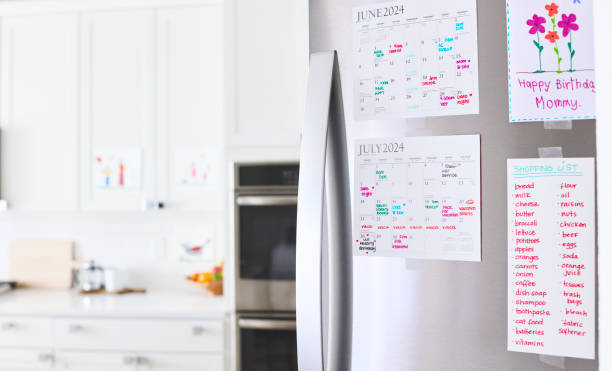
Sunday Prep: The 90-Minute Block
A structured session that fuels an entire workweek of lunches and quick dinners.
- 0–15 min: Preheat oven to 200°C. Start a pot of grains — rice, quinoa, or barley. Chop hardy vegetables for roasting: pumpkin, broccoli, capsicum.
- 15–45 min: Roast vegetables and cook proteins — chicken thighs, tofu blocks, or a tray of seasoned chickpeas. Hard-boil four to six eggs for snacks and salads.
- 45–70 min: While oven work finishes, wash salad greens and store in a towel-lined container. Prepare two dressings in jars. Cook a batch of soup or curry base if your rotation includes it.
- 70–90 min: Portion everything into labelled containers. Write a sticky note on the fridge listing which combo goes to which weekday lunch. Clean as you go so the session ends with a clear kitchen.
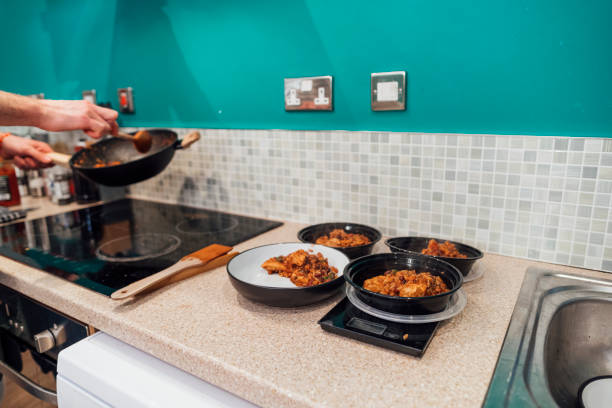
Ninety minutes sounds like a lot until you compare it to the cumulative time spent deciding, shopping midweek, and assembling from scratch every single night. Most people reclaim two to three hours across a five-day workweek once the Sunday block becomes habit. Start with sixty minutes if ninety feels daunting — even cooking grains and one protein covers half your lunches.
Involve household members if you share meals. One person chops, one handles oven trays, one portions containers. The system scales to families without multiplying complexity — everyone eats from the same component pool with different assembly choices.
Smart Shopping Lists From Your Rotation
Pantry Core
Olive oil, tinned tomatoes, tinned legumes, grains, pasta, spices, nuts, seeds, stock cubes, vinegar, and mustard. Buy in bulk when on sale — these anchor every rotation week regardless of menu specifics.
Fresh Weekly
Leafy greens, cruciferous vegetables, seasonal fruit, fresh herbs, eggs, and chosen proteins. Limit to what your rotation actually uses — impulse produce buys are the main source of fridge waste.
Freezer Backup
Frozen berries, peas, edamame, and pre-portioned proteins for weeks when Sunday prep does not happen. A freezer stash prevents system collapse when life interrupts your planned session.
Write your list directly from the rotation chart — not from memory. Group items by supermarket aisle to shave minutes off the shop. Many Australian grocers offer click-and-collect; building a saved list online turns a recurring rotation into a one-click reorder that arrives ready for your prep block.

Weekday Assembly: Two Minutes Each Morning
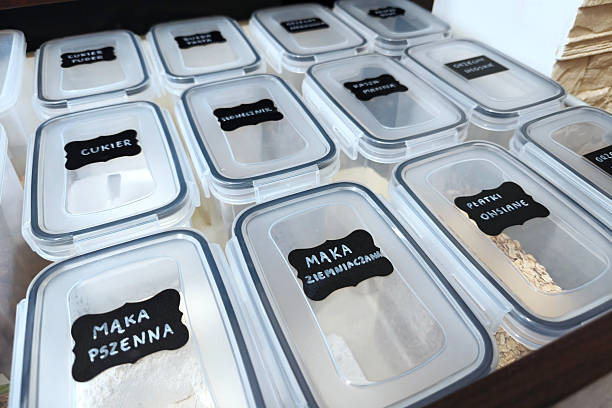
The entire point of a weekly system is that weekday mornings require assembly, not cooking. Grab a grain container, a protein container, add fresh greens from the washed batch, drizzle dressing, done. Keep containers uniform in size so they stack neatly in the fridge and fit your lunch bag without Tetris.
For dinners, the same components recombine differently: Monday's roast vegetables become a side on Tuesday; Wednesday's leftover chicken tops a quick pasta. The rotation is not rigid repetition — it is a shared ingredient pool with planned variety. When you finish a prep cycle, note what felt boring and swap one slot next fortnight. Systems evolve with your taste, not against it.
- Invest in glass containers — they reheat evenly and last years.
- Keep one page in your planner listing this fortnight's slots.
- Review and adjust the rotation every month based on season and schedule.
Events Calendar
Hands-on sessions for building your first two-week rotation.
Our Weekly Prep Workshop walks participants through creating a personalised rotation chart, writing a matching shopping list, and completing a mini prep session in the community kitchen. You leave with containers packed for three workdays and a printed plan for the remaining slots. Sessions run monthly across the Sunshine Coast and are free to attend — registration via our contact form helps us size ingredients correctly.
| Date | Event | Focus |
|---|---|---|
| 9 Aug 2026 | Weekly Prep Workshop | Full rotation build |
| 6 Sep 2026 | Pantry Reset Session | Staple shopping lists |
| 4 Oct 2026 | Batch Cook Lab | Protein and grain prep |
| 1 Nov 2026 | Rotation Review Clinic | Adjusting your system |