
Meal Templates That Actually Fit Your Week
Five flexible frameworks you can repeat, remix, and shop for without starting from scratch.
Plan Your Week
Why Templates Beat Recipes
A recipe tells you exactly what to cook once. A template tells you how to cook anything in that category forever. Busy people need the second kind. A grain bowl template, for example, specifies proportions and pairing rules — not a fixed list of exotic ingredients you hunt down on a Tuesday night. You swap the grain, the protein, the dressing, and the veg based on what is on sale at Woolworths or Coles this week.
Templates also reduce waste. When you know your lunch framework needs one cooked grain, one protein, and two vegetables, your shopping list becomes predictable. Leftover roast chicken from Monday dinner becomes Tuesday bowl protein without a new cooking session. The mental relief of this predictability is the core of food minimalism — fewer open loops in your head means more bandwidth for everything else on your calendar.
Template 1: The Build-Your-Own Grain Bowl
The most versatile work-lunch structure in this entire system.
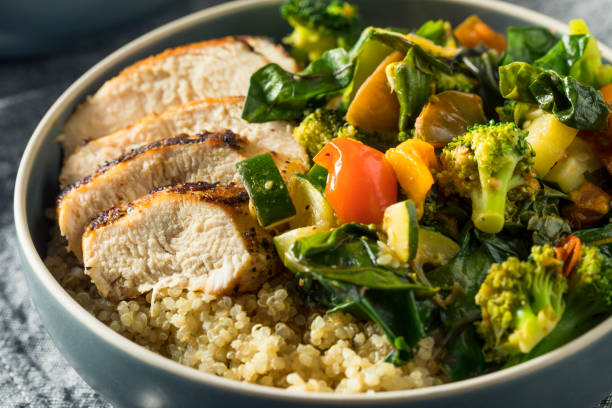
Start with half a cup of cooked base: brown rice, quinoa, barley, or farro. Add a palm of protein — tinned tuna in olive oil, shredded chicken, marinated tofu, or a mix of chickpeas and feta. Fill the rest with raw or roasted vegetables: cherry tomatoes, cucumber, shredded cabbage, roasted pumpkin. Top with dressing — lemon juice, olive oil, and Dijon is enough — plus seeds for crunch.
Prep tip: cook double grains on Sunday and store in flat containers. Chop hardy vegetables in bulk; keep soft greens separate until assembly. One bowl takes ninety seconds to pack in the morning if components are ready. Rotate dressings weekly — tahini-lemon, soy-ginger, or herb yoghurt — and the same skeleton feels completely different.
- Shop: grains, tinned fish, feta, mixed veg, lemons, seeds.
- Prep time: 45 min batch on Sunday for five lunches.
- Morning assembly: under 2 minutes per container.
Template 2: The Loaded Wrap Framework
Base Layer
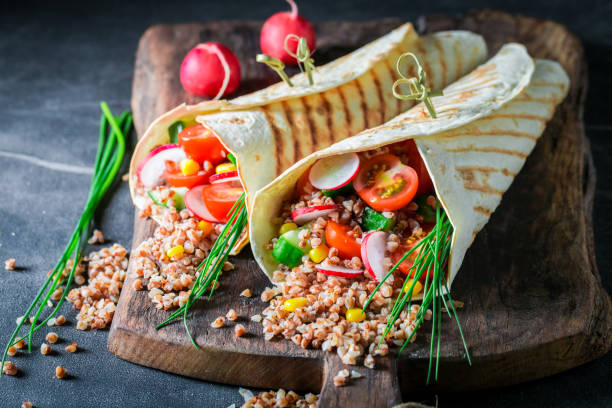
Wholegrain wrap or large lettuce leaf for a lighter version. Spread with hummus, cottage cheese, or mashed avocado to prevent soggy interiors and add protein from the first bite.
Fill Layer
Grilled chicken strips, falafel, hard-boiled egg halves, or tinned beans. Add grated carrot, spinach, and pickle for crunch and fibre that slows carb absorption from the wrap itself.
Pack Layer
Roll tight, slice diagonally, pack flat in a container with an ice brick. Wraps travel well across Brisbane commutes when kept cool and eaten within four hours of assembly.
Alternate fillings through the week: Monday falafel and tabbouleh, Wednesday chicken and slaw, Friday egg and spinach. Same structure, zero new learning curve. Keep sauces in a small separate container if you prefer crunch until lunchtime.
Template 3: Soup Plus Side Salad
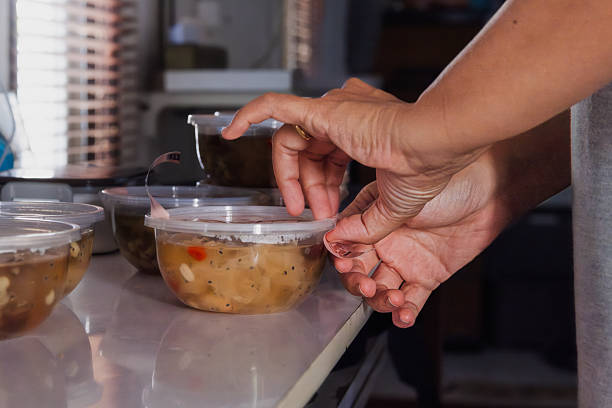
Batch soup is the ultimate set-and-forget template for cold Queensland evenings and packed thermos lunches. Make a large pot of lentil vegetable, minestrone, or chicken and barley soup on Sunday. Portion into single serves and refrigerate or freeze. Each serving pairs with a side salad dressed at the table — never mixed in advance or greens wilt.
Soup templates follow a ratio: aromatics (onion, garlic), broth, legumes or lean protein, vegetables, herbs. Spices rotate the flavour profile — cumin and coriander for one batch, Italian herbs for the next. A slice of sourdough on the side is optional; the legumes in the soup already provide slow-release carbohydrates suitable for a steady evening without a late-night energy spike.
Pairing Ideas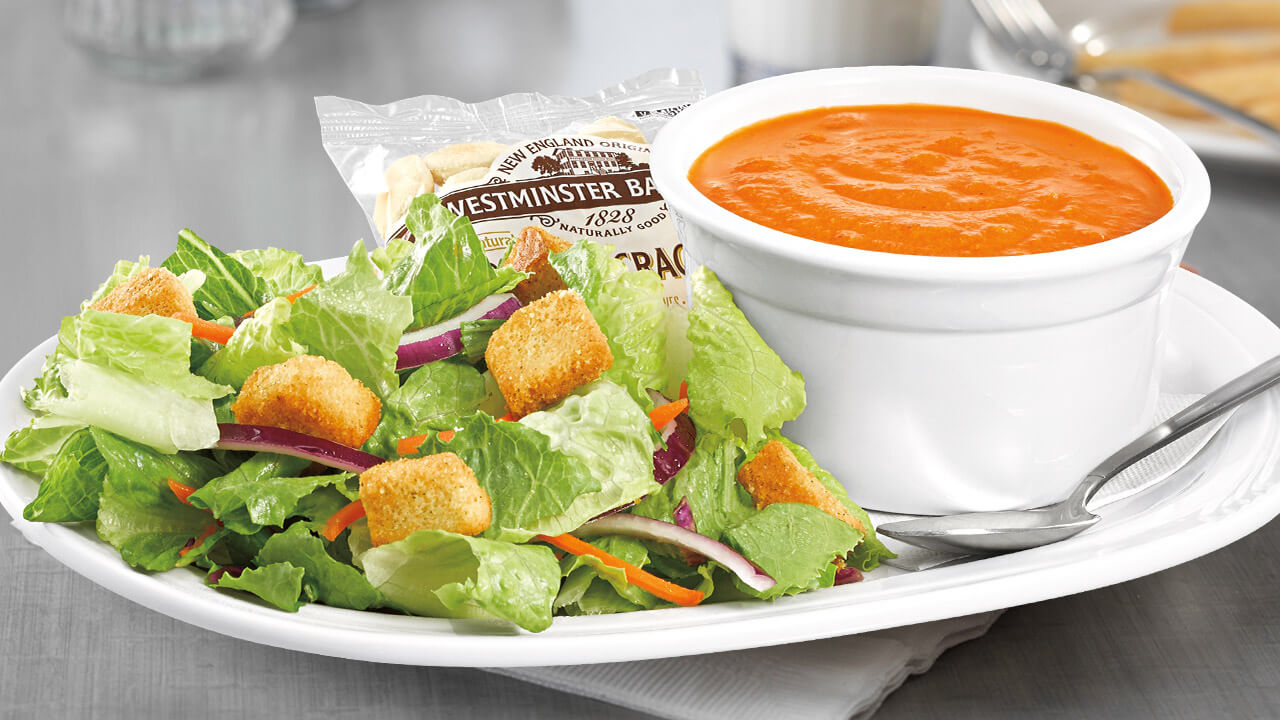
Food Safety Guidelines for Meal Templates
Templates only save time when food stays safe from kitchen to desk. Cooked grains and proteins must cool within two hours of cooking before refrigeration. Divide large batches into shallow containers so the centre reaches safe temperature quickly. When packing soup in a thermos, pre-heat the flask with boiling water, then fill with piping-hot soup and seal immediately.
Never reuse containers that held raw meat without thorough washing in hot soapy water. If a packed lunch smells off or sits unrefrigerated beyond two hours in ambient office temperature, discard it — no template is worth the risk of foodborne illness. For fish-based bowls, consume within two days of prep or freeze immediately after cooling.
- Use two ice packs in insulated bags during summer commutes.
- Label every container with prep date and use-by guidance.
- Reheat soups and grains until steaming throughout.